Discover Detroit Land Clearing Services for Tree Removal
Land Clearing Experts: Setting Up Your Property for New Beginnings
Land clearing services are vital for transforming overgrown or cluttered properties into viable spaces for development. These professionals meticulously remove obstacles, ensuring a smooth foundation for future projects. With a comprehensive grasp of site inspections and environmental requirements, they strengthen both safety and accessibility. However, choosing the right service can be complex, and understanding the process is essential. What factors should landowners evaluate before embarking on this endeavor?
How Land Clearing Changes Your Property Development Journey
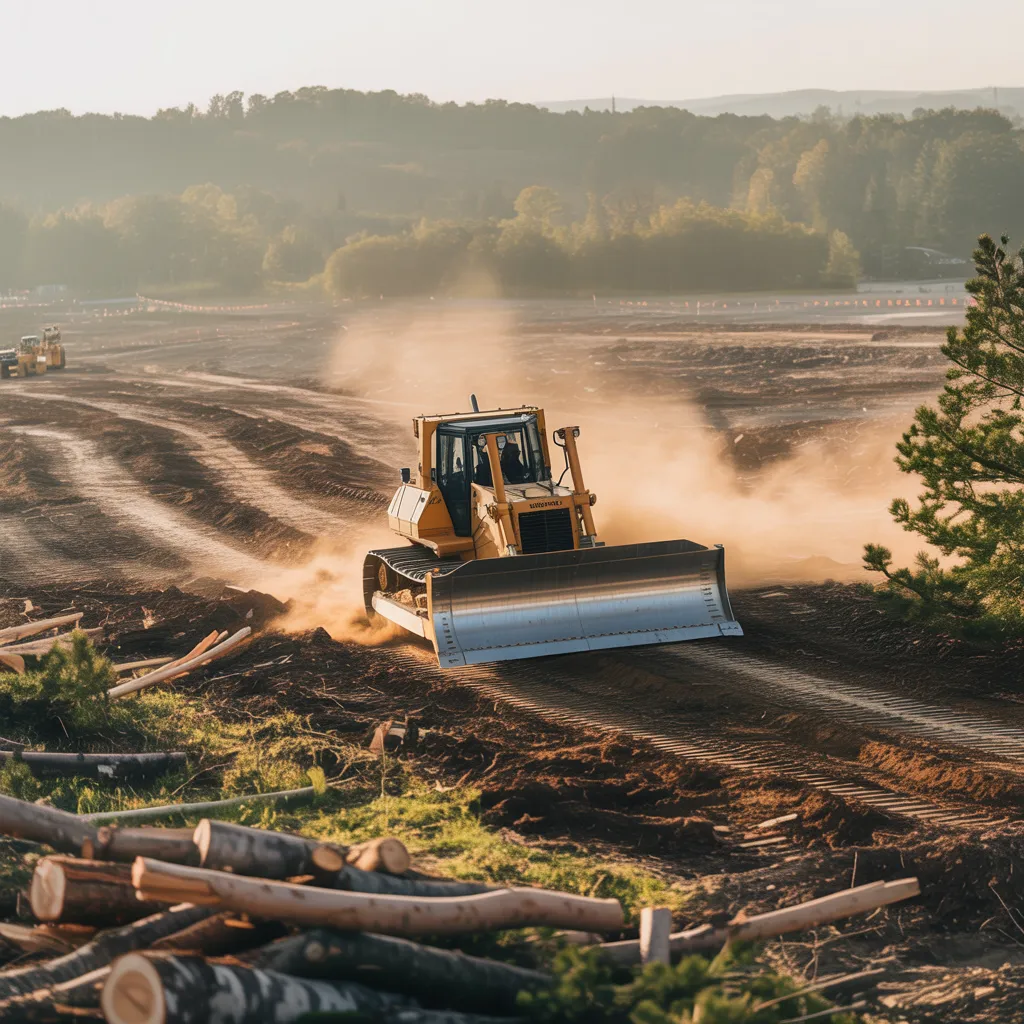
Land clearing initiates the transformation of a property development project by getting the site ready for construction ahead. This critical initial step requires the removal of obstacles such as trees, undergrowth, and debris, providing a fresh foundation for builders and architects. By establishing a clear and level surface, land clearing improves site accessibility, enabling timely resource the seamless transport of equipment and materials.
Additionally, it creates the foundation for effective design and planning, as planners can accurately assess the orientation and layout of structures more effectively. The approach also supports identifying probable environmental concerns, such as issues with drainage or soil composition, facilitating proactive solutions.
Additionally, land clearing can increase safety by minimizing risks associated with excessive plant growth and hazardous ground conditions. When all is considered, this impactful action not only streamlines construction but also cultivates a well-planned and systematic approach to land development, setting the stage for new opportunities.
The Process Steps Involved in Land Clearing
Clearing a site involves multiple critical steps that secure a smooth and efficient process. At the outset, an in-depth site inspection is carried out to detect barriers including rocks, trees, and plant growth. This assessment informs the strategic phase, where strategies for removal are developed, accounting for ecological requirements and anticipated consequences.
In addition, landowners must typically acquire the required permits, ensuring adherence to local regulations. After receiving approval to move forward, large machinery, such as bulldozers and excavators, is deployed to eliminate vegetation and unwanted debris. During this phase, particular care is taken to reduce soil disruption and safeguard the neighboring environment.
Following the extraction, the land goes through ground preparation to form a flat ground, preparing it for future development or landscaping. To conclude, debris is removed in an eco-friendly manner, commonly involving composting or recycling, making the area primed for fresh beginnings. All steps are vital to guarantee a effective site clearing project.
How to Choose the Right Land Clearing Company for Your Needs
Selecting the right land clearing service provider demands careful assessment to guarantee the project meets both standards and guidelines. First, potential clients should evaluate the company's background and expertise in managing similar projects. A seasoned company with a strong performance record is frequently more reliable.
Next, it is essential to check that the company holds the proper insurance and licenses, securing both the property owner and the site during the clearing process. Moreover, reviewing customer reviews and testimonials can supply helpful information into the company's service quality and reputation.
Price estimates are equally important, as they should be clear and comprehensive, outlining all potential expenses. Customers should request several bids to verify they are being offered reasonable costs. Additionally, strong communication plays a vital role; a professional contractor will respond to questions and concerns quickly, fostering a collaborative working relationship. These factors collectively aid in selecting the best land clearing company to meet specific needs.
Environmentally Responsible Land Clearing Practices
Embracing environmentally responsible approaches in land clearing is vital for reducing ecological harm and fostering environmental harmony. Businesses dedicated to eco-friendly operations implement methods that reduce soil erosion, preserve native vegetation, and protect local wildlife habitats. Methods like targeted vegetation removal enable the elimination of designated plants and vegetation, minimizing impact on the surrounding environment.
Furthermore, using modern machinery engineered for minimal-impact work aids in reducing soil compaction and damage to adjacent vegetation. Following the clearing process, methods such as reforestation and cover crop cultivation help rehabilitate the terrain, boosting biodiversity and the overall health of the soil.
Moreover, adopting recycling practices, such as turning cleared vegetation into biofuel or organic mulch, advances a resource-efficient circular economy. By prioritizing these environmentally responsible practices, land management services can confirm that future development supports sustainable environmental practices, promoting a more sustainable landscape for the generations ahead.
Preparing Your Land for Future Projects
Before initiating a construction or landscaping project, adequate land preparation is crucial to ensure a successful result. Initially, one must assess the land's topography, soil quality, and drainage patterns. This analysis facilitates educated decisions about appropriate vegetation, constructions, or additional improvements. Clearing the land of debris, rocks, and unwanted vegetation is important, as it provides a clean slate for future work.
Next, soil analysis should be undertaken to determine nutrient content and pH levels, making it possible to implement vital changes that foster robust plant health. Moreover, establishing the project's boundaries works to clarify the workflow and helps prevent potential disputes from occurring later.
In conclusion, establishing a comprehensive outline that describes the project's budget, scope, and timeline is imperative. Such a systematic strategy not only defines precise expectations but also operates as a directional plan for all participating parties, guaranteeing steady advancement toward reaching the intended objectives.
Why Should You Hire Professionals for Your Land Clearing Needs?
Engaging experts for land clearing secures access to professional expertise in equipment operation and maintenance. Their expertise in compliance standards and safety protocols decreases risks associated with the clearing process. Consequently, this expert methodology enhances efficiency and promotes a more secure working atmosphere.
Mastery In Equipment Use
Navigating the intricacies of land clearing requires expert knowledge and specialized tools, which is where professional contractors stand out. Professionals possess extensive training in operating advanced machinery, such as excavators, bulldozers, and stump grinders. This expertise guarantees that projects are completed effectively and thoroughly, limiting harm to the nearby environment. Furthermore, skilled contractors are knowledgeable about the latest techniques, empowering them to address complex terrain and thick overgrowth with skill. Their expertise not only boosts efficiency but also minimizes the chance of expensive errors that can result from improper equipment use. By enlisting professionals, property holders can feel certain that their property will be properly and safely cleared, preparing the groundwork for future development or improvements.
Safety And Compliance Standards
A comprehensive understanding of safety and compliance standards is critical in land clearing operations, as it secures the protection of both workers and the environment. Professionals in land clearing are equipped to follow industry best practices and local regulations, minimizing risks associated with hazardous materials, heavy machinery, and environmental degradation. They implement necessary safety measures, including the utilization of personal protective equipment and conducting risk assessments before starting operations. Compliance with regulations not only mitigates possible legal complications but also promotes environmentally sound land management. Hiring experts guarantees that all operations are executed with safety and efficiency, permitting property owners to focus on their projects without the challenge of maneuvering complicated regulatory and safety requirements.
Questions We Often Receive
What Permits Are Required for Land Clearing Projects?
Required permits for land clearing projects commonly consist of environmental permits, grading permits, and possibly local zoning approvals. Regulations vary by location, so reaching out to local authorities guarantees compliance with all necessary legal requirements before starting the project.
How Much Time Does the Land Clearing Process Usually Require?
The land clearing process typically takes one to several weeks, influenced by factors such as the total area size, the density of vegetation, and weather conditions. Every project is different, significantly affecting the overall timeline.
Does Land Clearing Enhance Property Value?
Absolutely, clearing land can increase property value. By eliminating obstacles and enhancing aesthetics, it makes the land more appealing to future purchasers, thereby boosting marketability and total value of the property in the real estate market.
What Equipment Is Employed in Land Clearing?
Land clearing commonly utilizes equipment such as chainsaws, bulldozers, excavators, and chippers. These machines effectively eliminate trees, shrubs, and debris, ensuring the land is prepared for upcoming development or farming activities.
Do the Risks of DIY Land Clearing Outweigh the Benefits?
Yes, there are risks associated with DIY land clearing such as injury from heavy machinery, property damage, and harm to the surrounding environment. Moreover, using improper techniques may result in legal complications related to permits and local regulations, making the process even more complicated.