Drainage and Utility Installation Supported by Excavation
Leading Earth-moving Offerings: Expert Answers for Your Construction Demands
Top-rated excavation services play an essential role in the construction industry. They guarantee that projects start on stable ground through skilled ground preparation and grading. These teams are equipped to handle various tasks, from utility trenching to compliance with safety regulations. Understanding the range of available services and the standards for picking the right company can substantially affect project outcomes. However, what specific factors should one consider when picking an excavation expert?
Learning About Excavation Services in Building Development
Excavation services remain fundamental in the construction industry, as they create the foundation for any successful endeavor. These services entail the displacement of soil and rock to condition areas for various structures, with examples such as buildings, roads, and utilities. The undertaking starts with ground evaluation, where consultants scrutinize terrain composition, drainage, and natural considerations. This assessment shapes the removal methodology, ensuring efficiency and compliance with regulations.
Additionally, site preparation is not simply about digging; it entails detailed planning and execution to prevent structural issues later on. The use of specialized equipment and techniques is critical, as improper excavation may result in costly delays and safety hazards. Furthermore, excavation services include grading, trenching, and the placement of bases, which are necessary for the integrity of the construction project. Overall, understanding excavation services is important for ensuring a solid foundation and successful project completion.
Numerous Styles of Excavation Services Ready
Excavation services are essential components for various construction needs, and they can be organized into multiple types based on the project size and requirements. Residential excavation services predominantly focus on individual homes, find the information while commercial excavation alternatives serve extensive, commercial projects. Recognizing these distinctions assists clients in choosing the most suitable service for their distinct needs.
Residential Grading Services
When planning a home construction, homeowners often investigate various excavation services tailored to their particular requirements. Common types consist of land preparation, which entails clearing and leveling land for building development, and trench digging, employed for setting up systems like water and electrical lines. Excavation for foundations ensures a strong foundation for homes, while grading services help manage drainage and landscaping. Additionally, homeowners may require digging for basements or swimming pools, each necessitating expert methods and tools. Ecological factors, such as erosion control and soil handling, are also vital in residential excavation. By choosing the right solution, homeowners can improve the safety, functionality, and aesthetic appeal of their properties, assuring a completed work from the foundation forward.
Commercial Excavation Options
Handling the complexities of industrial undertakings requires a spectrum of professional excavation services customized to various needs. These services encompass land preparation, which involves clearing and grading land to create a solid foundation for structures. Additionally, trench digging services are essential for installing utilities and drainage systems, ensuring infrastructure is properly integrated.
Earthmoving excavation for substantial operations is another vital aspect, commonly required for parking lot development or road construction. Moreover, demolition excavation is employed to safely remove existing structures while minimizing disruption. Each type of commercial excavation service is designed to meet project specifications, ensuring compliance with regulations and promoting safety on-site. By selecting the right solutions, businesses can enhance project efficiency and long-term sustainability.
Important Requirements for Selecting an Excavation Company
When selecting an excavation company, several key factors need careful consideration. Experience and expertise act as critical in promoting project success, while adequate licensing and insurance ensure necessary legal protection. Furthermore, the access of modern equipment and technology can markedly affect the efficiency and quality of the work carried out.
Experience and Proficiency
Selecting an digging company copyrights greatly on their background and expertise. A well-established company typically possesses a wealth of knowledge gained from handling varied projects, allowing them to navigate challenges efficiently. Experienced professionals are familiar with different soil types, ground conditions, and excavation techniques, guaranteeing that they can provide customized solutions for particular needs. Furthermore, a company with a proven history often employs qualified operators who are experienced in using advanced machinery, minimising the risk of accidents and project delays. Their proficiency not only enhances efficiency but also boosts the overall quality of the work. Ultimately, selecting an excavation company with considerable experience and proven expertise ensures a smoother construction process and better project outcomes.
Licensing and Insurance
Appropriate licensing and insurance serve as critical criteria for assessing an excavation contractor. A licensed contractor demonstrates compliance to regional requirements and professional guidelines, ensuring that work performed meets protection and excellence standards. This safeguards the integrity of the project while also reducing possible regulatory problems. Furthermore, insurance coverage is vital; it safeguards both the contractor and the client from financial liability in the case of incidents or harm throughout the excavation process. Clients must confirm that the firm maintains adequate general liability and workers' compensation insurance. By prioritizing these factors, customers can make informed decisions, minimizing dangers associated with hiring unprofessional or uncovered digging work. In the end, correct permits and protection reflect a firm's expertise and dedication to protection.
Equipment and Technology
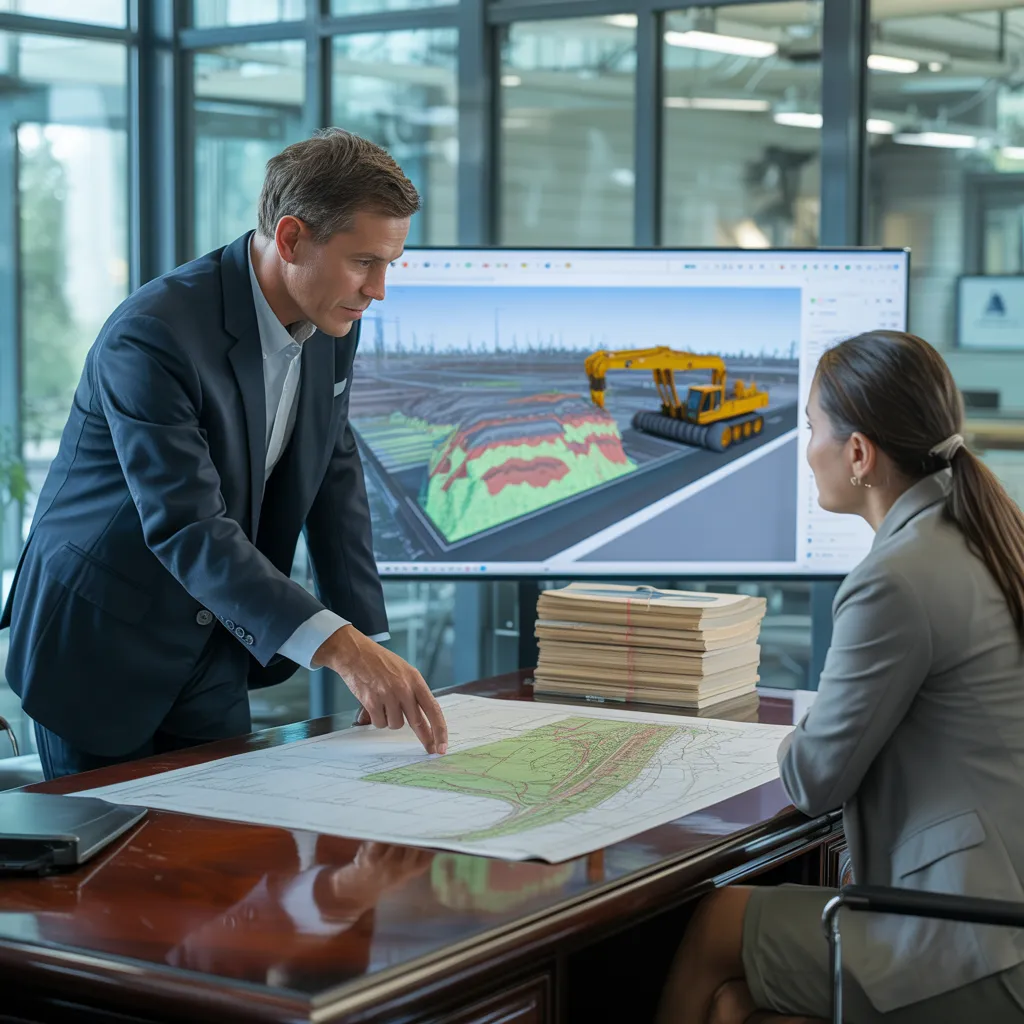
A detailed evaluation of equipment and technology is vital for choosing an excavation company. The kind and condition of machinery greatly impact project efficiency and safety. Companies utilizing modern, well-maintained equipment can guarantee higher accuracy and faster completion times. In addition, advanced technology, such as GPS systems and 3D modeling, improves precision in excavation tasks, minimizing the risk of errors. Prospective clients should inquire about the specific machinery used, the age of the equipment, and any technological tools employed during operations. Moreover, companies that emphasize innovation often adopt eco-friendly practices, which can be an added benefit. Ultimately, selecting a firm with superior equipment and technology can lead to successful project outcomes and cost-effective solutions.
Examining Excavation Professionals' Proficiency
What are the best ways to evaluate the competence of excavation contractors? Assessing their qualifications demands inspecting their experience, certifications, and past projects. A specialist possessing considerable experience with various excavation types, including residential, commercial, or industrial work, typically demonstrates stronger technical abilities. Certifications issued from recognized industry organizations also demonstrate a dedication to safety and best practices.
Moreover, prospective customers should look for recommendations and reviews. Feedback from previous clients can provide insight into the specialist's dependability and caliber of work. Examining a portfolio of completed projects can further highlight the range and standard of their capabilities.
Finally, conducting interviews allows prospective customers to measure communicative competence and troubleshooting capabilities. By considering these factors, persons can make informed decisions when naming excavation practitioners, ensuring they select experts who will satisfy their structural requirements proficiently.
What You Should Know About Excavation Work Pricing?
Understanding the costs related to excavation offerings is essential for people preparing construction projects. Various factors shape these fees, such as project scale, complexity, and region. Typically, excavation offerings bill by the hour or by the cubic yard of earth moved. For modest projects, fees might range from $40 to $150 per hour, while larger, more intricate endeavors can rise to $200 or more per hour.
Moreover, working conditions play an important part; rocky or uneven terrain may call for specialized equipment, thereby increasing costs. Permitting and environmental considerations can also contribute to the overall budget. It is sensible for clients to procure multiple quotations to guarantee cost-effective pricing. Ultimately, comprehending these variables enables better financial planning and helps establish realistic expectations for excavation project costs.
Advantages of Collaborating With Skilled Excavation Teams
When clients partner with skilled excavation professionals, they often benefit from a wealth of knowledge that can significantly improve project outcomes. These experts bring a deep understanding of soil types, site conditions, and local regulations, which aids in making informed decisions. Their expertise ensures streamlined project organization, minimizing postponements and lowering expenses.
In addition, expert groups are supplied with innovative tools and technology, allowing for meticulous excavation and grading, which is vital for the integrity of subsequent construction phases. Safety remains another important consideration; experienced teams copyright security protocols, markedly lowering the danger of workplace accidents during construction.
Furthermore, a demonstrated history in multiple undertakings often means that these teams can anticipate challenges and actively deploy solutions. Essentially, collaborating with skilled excavation professionals not only enhances the overall building process but also establishes a foundation for long-term project success.

Often Inquired Questions
What is the typical duration for completing an earthmoving project?
An excavation project commonly takes between a few days to several weeks, depending on factors such as project size, soil conditions, and weather. Strategic planning and correct execution can greatly modify the overall timeline.
What Safety Standards Do Excavation Companies Deploy On-Site?
Excavation companies utilize various safety measures on-site, including proper signage, protective barriers, safety apparel, periodic safety sessions, and observance of local regulations. These practices aim to decrease potential hazards and guarantee the safety of workers and bystanders.
Can Site Excavation Be Carried Out During Challenging Weather Conditions?
Excavation services can be undertaken in difficult weather, but safety is paramount. Companies often assess risks, implement protective measures, and may postpone work if conditions pose risks to worker safety or equipment integrity.
Do Certifications Be Acquired for Ground Excavation Undertakings in My Vicinity?
Permits are usually mandatory for excavation activities, differing by location. It is vital for individuals to review local regulations to ensure compliance, as securing the necessary permits can help prevent legal issues and fines.
How Do Excavation Companies Manage Unforeseen Underground Barriers?
Excavation companies typically assess unexpected underground obstacles by utilizing advanced technology for detection. They then adjust their plans accordingly, often consulting engineers to identify the best approach for safely managing the unforeseen challenges encountered during the project.